Create a Linux VPC
Creating a VPC for Your Linux Instance
ℹ️ Information: In this section, we’ll create a Virtual Private Cloud (VPC) specifically configured for hosting Linux instances. A properly configured VPC provides network isolation and security for your EC2 instances.
Step-by-Step VPC Creation Process
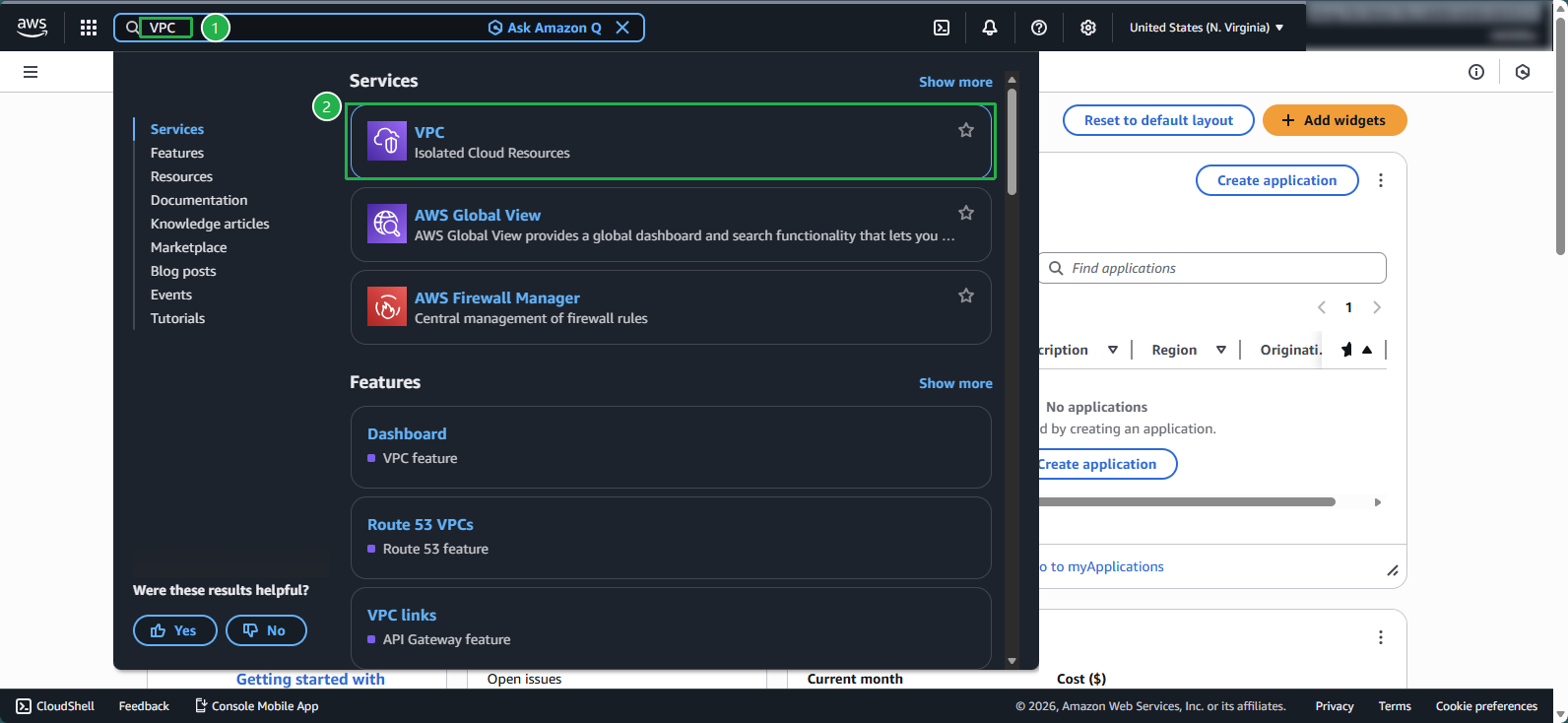
Navigate to the AWS Management Console
- In the search bar, type VPC
- Select VPC from the services list
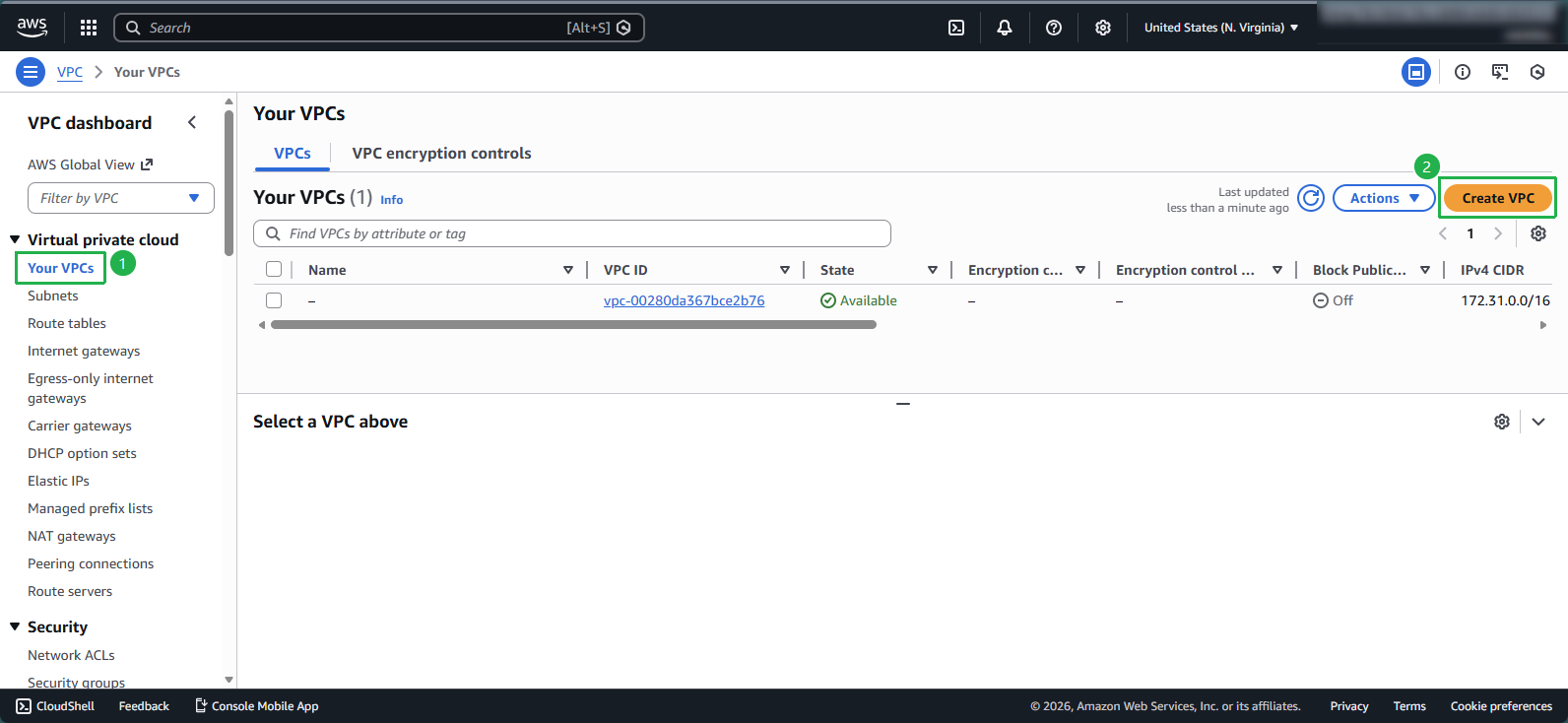
In the Your VPCs dashboard:
- Click Create VPC button
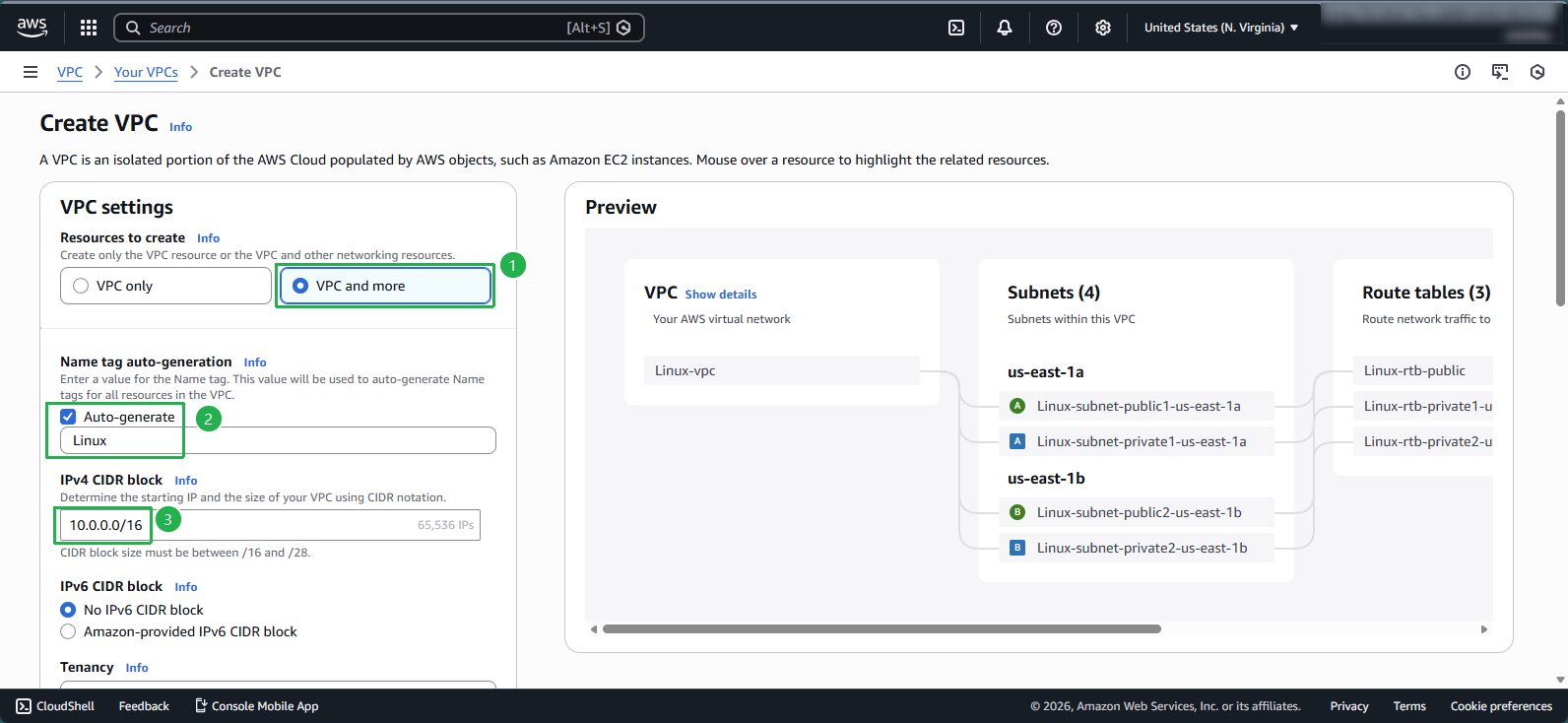
Configure your new VPC:
- Select VPC and more option (creates VPC with subnets, route tables, and gateways)
- Under Name tag auto-generation, enter
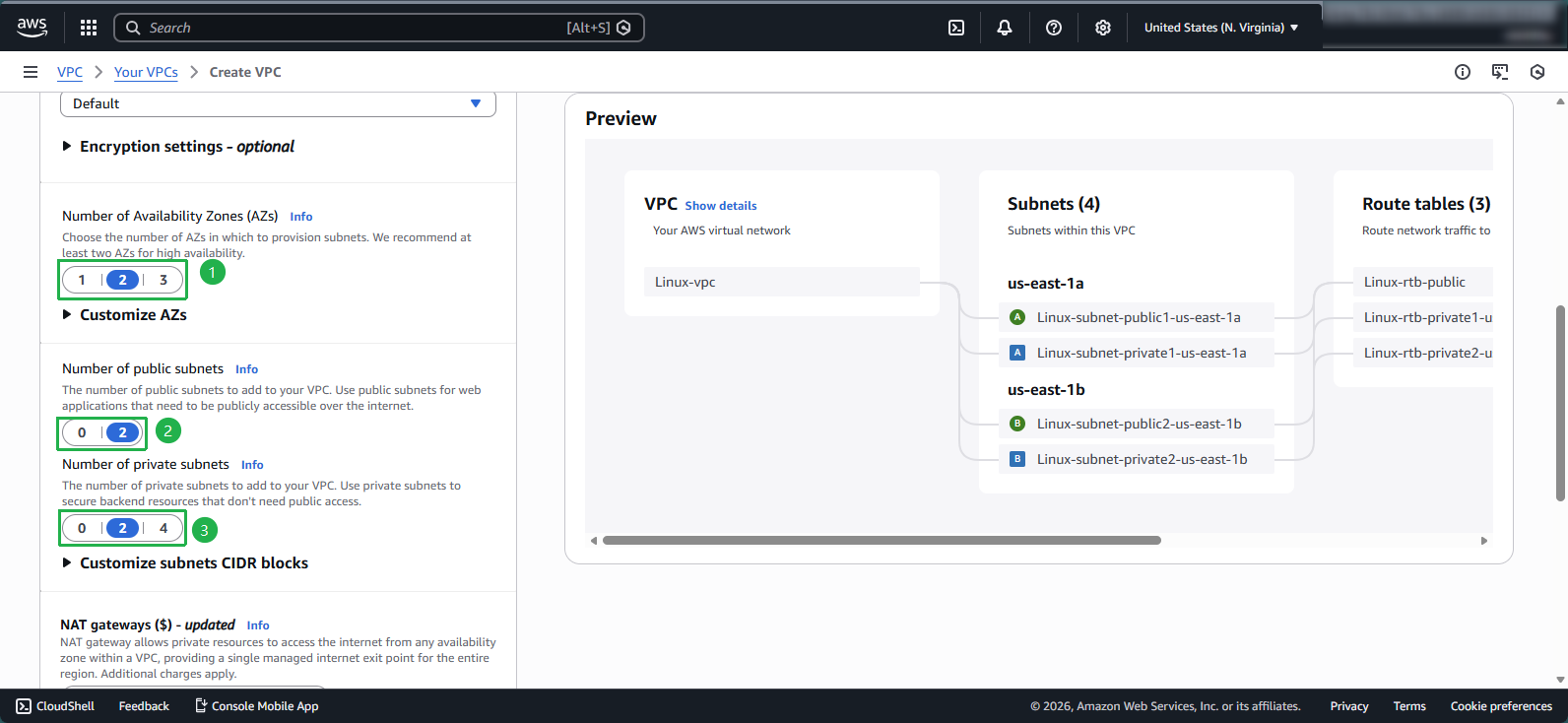
Linuxas the prefix - Number of Availability Zones (AZs): select 2.
- Number of public subnets: select 2.
- Number of private subnets: select 2.
For VPC endpoints:
- Select None
- Click Create VPC to initiate the creation process
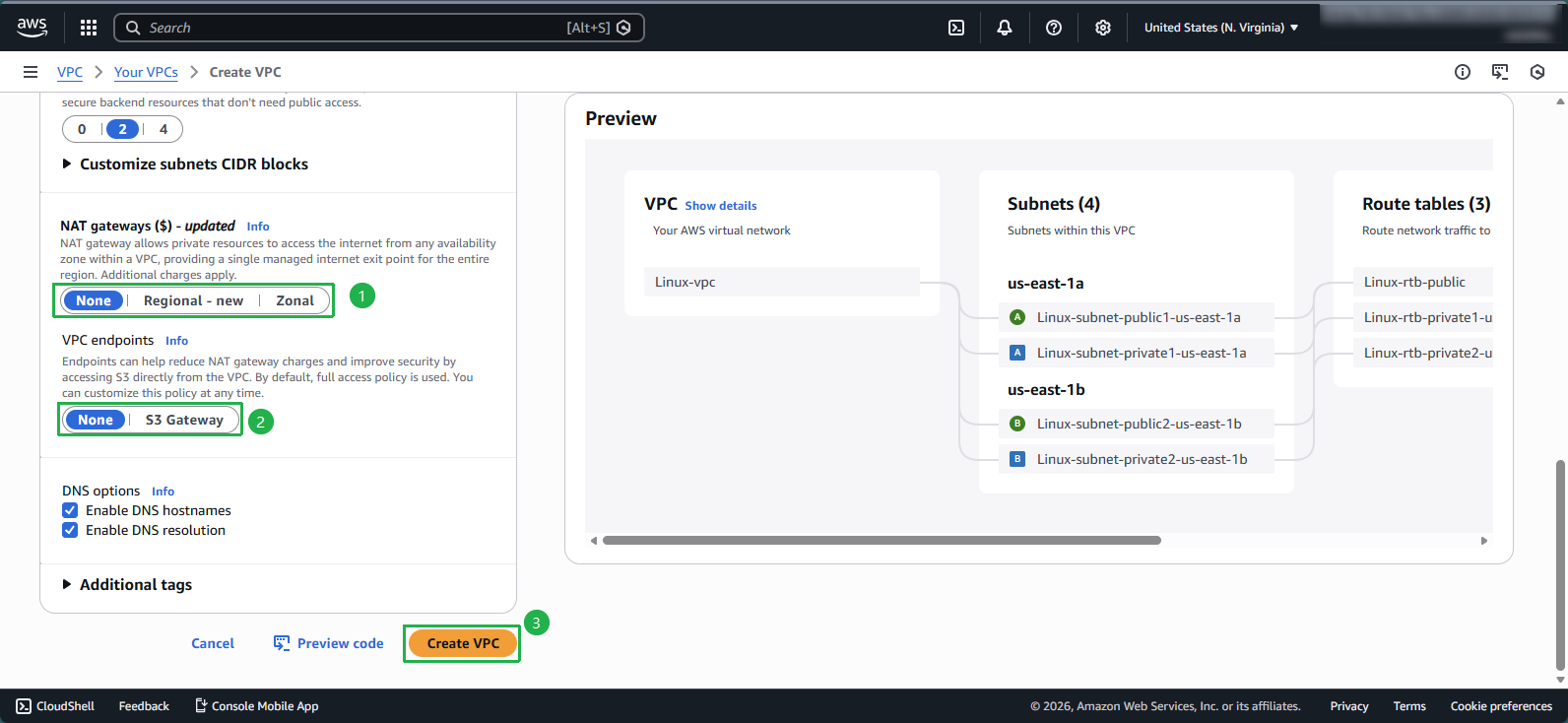
Once creation is complete:
- Click View VPC to examine your new VPC
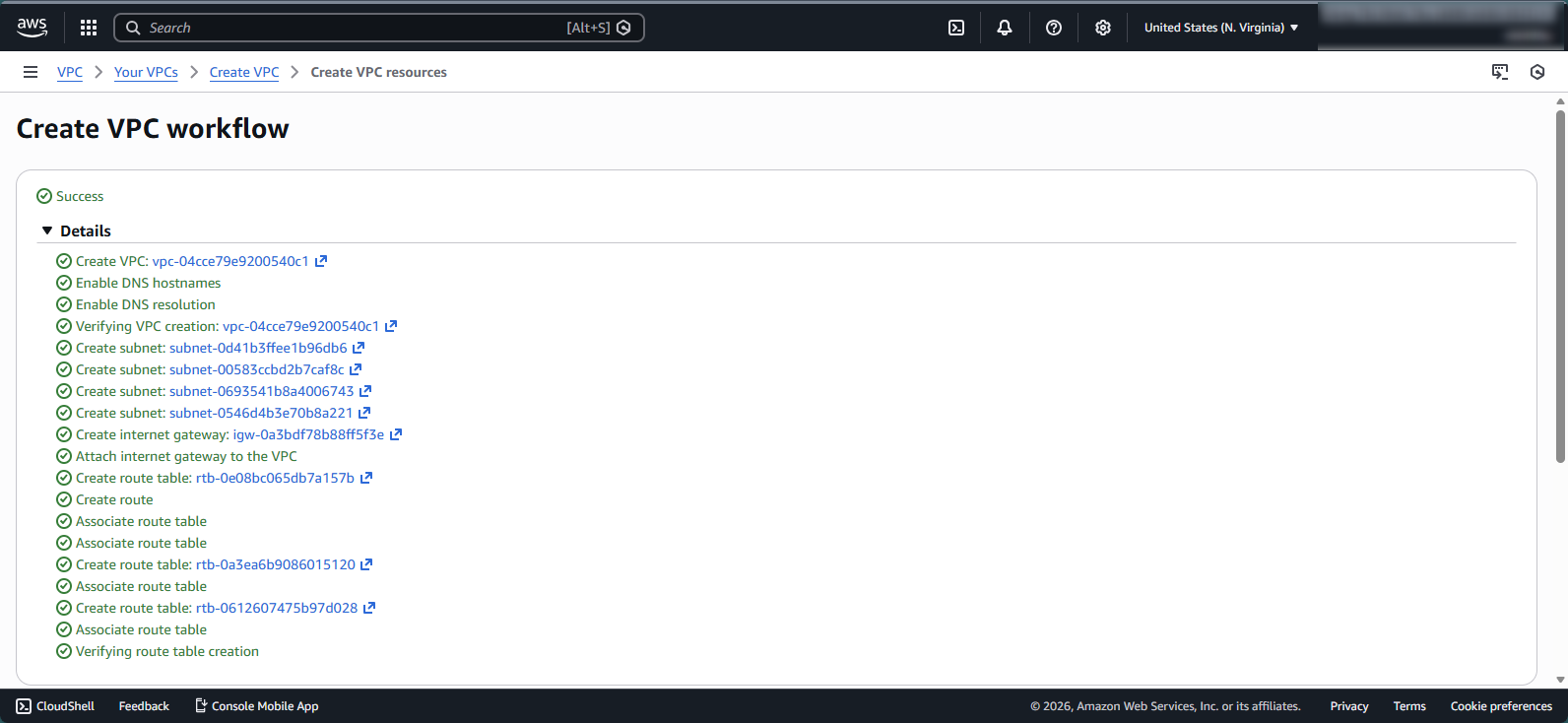
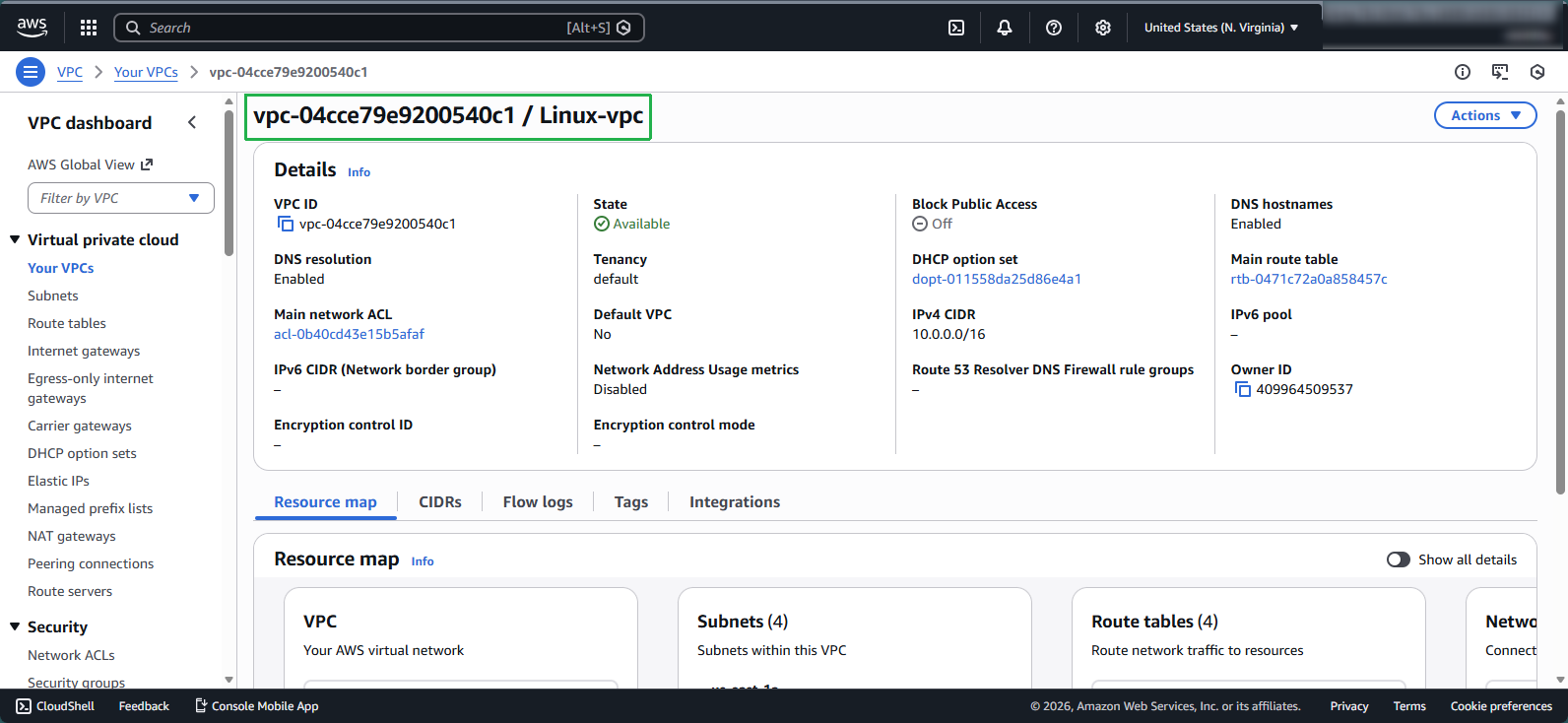
Configure subnet settings:
- In the navigation pane, select Subnets
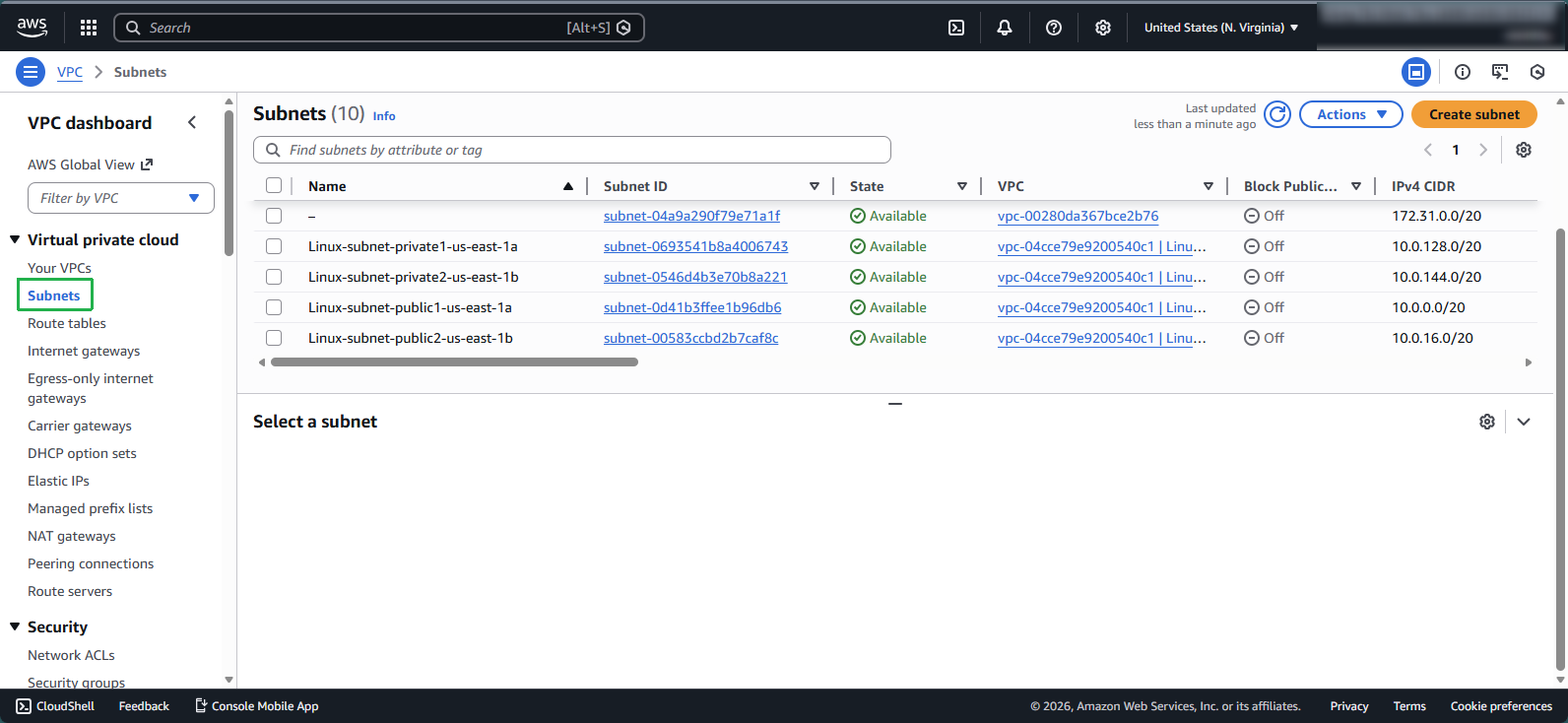
Enable public IP addressing for the public subnet:
- Select the Public subnet
- Click Actions
- Select Edit subnet settings
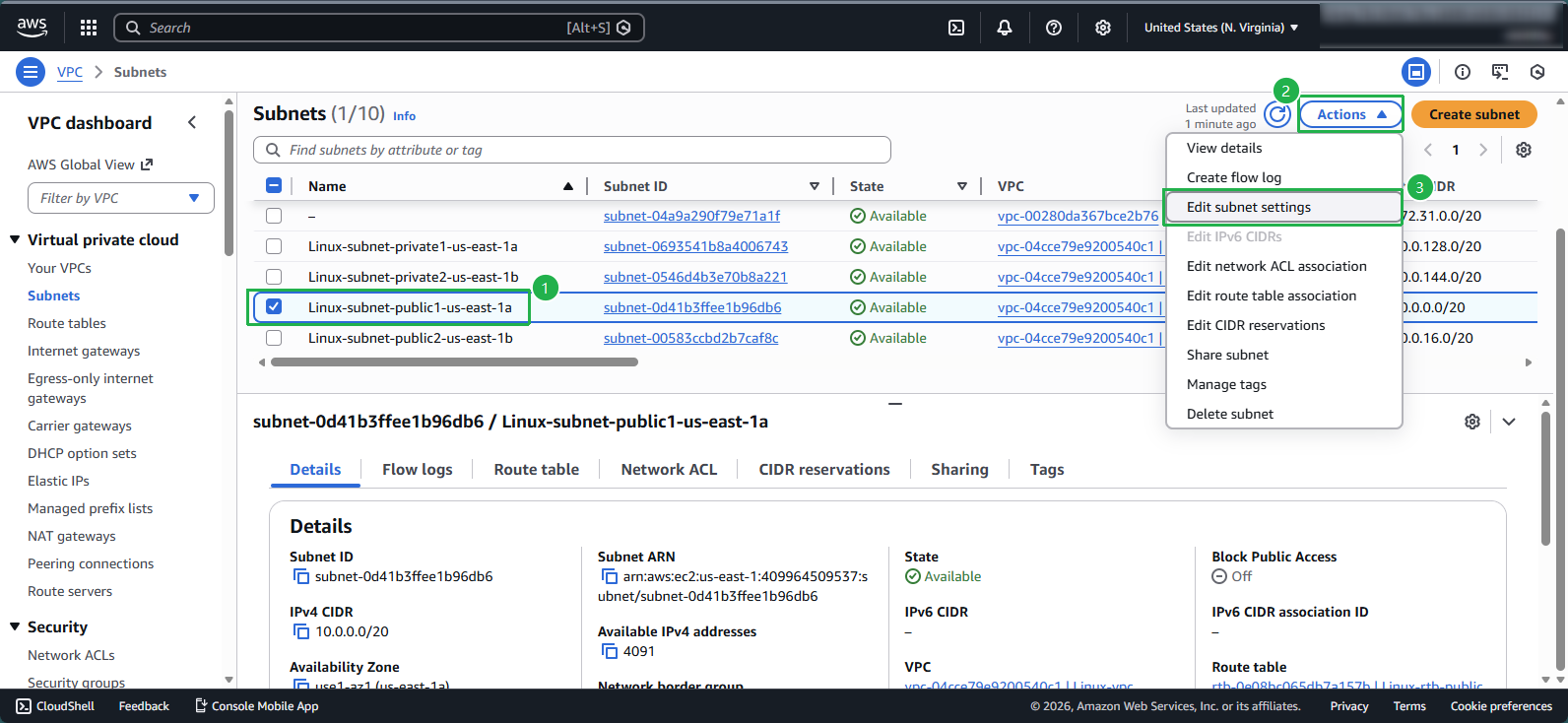
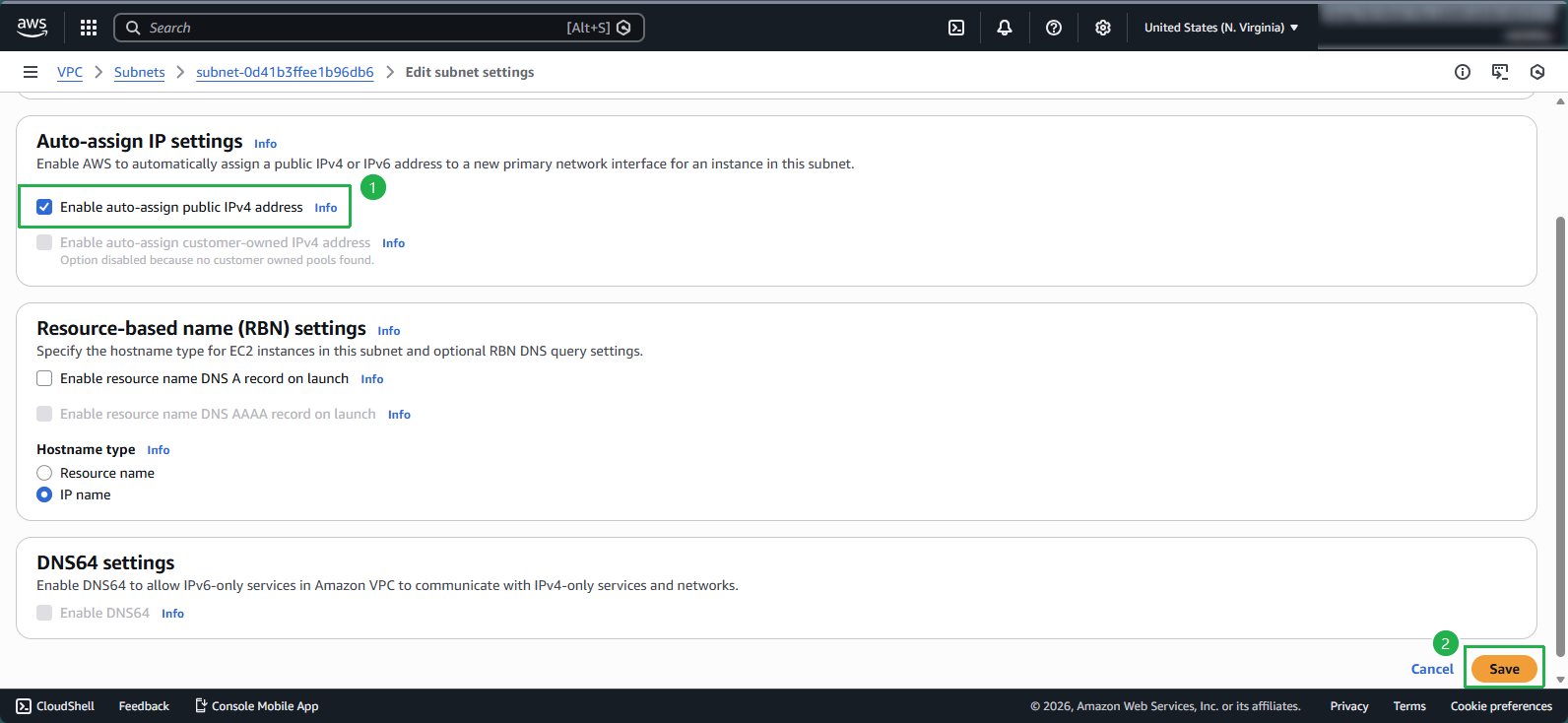
Configure auto-assign IP settings:
- Check Enable auto-assign public IPv4 address
- Click Save
Verify your configuration:
- Confirm that the public subnet has been successfully configured
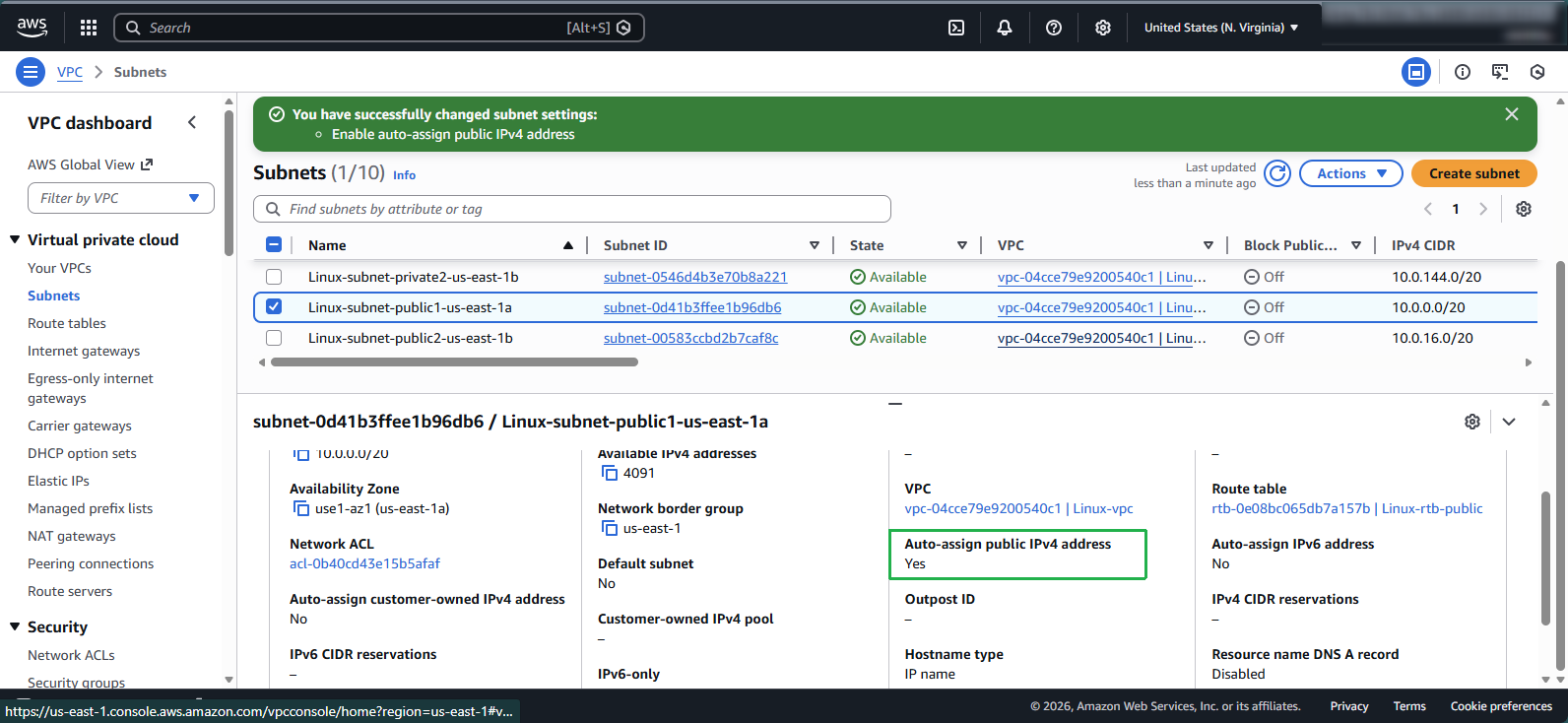
💡 Pro Tip: Enabling auto-assign public IPv4 addresses on your public subnet ensures that EC2 instances launched in this subnet automatically receive public IP addresses, making them accessible from the internet without additional configuration.
- Similarly, apply the same configuration to the remaining public subnets.
⚠️ Warning: While public subnets are necessary for internet-facing applications, always implement proper security groups and network ACLs to protect your instances from unauthorized access.